


Understanding How a Breath Test Refusal Can Impact Your NJ DWI Case
Facing a DWI Breath Test Refusal charge in New Jersey is intimidating. Many people believe that if they refuse to take the breath test, the police will not have evidence for a DWI conviction. But New Jersey’s refusal laws are strict, and refusing can actually be used as evidence against you. If you were recently arrested and you’re unsure how your refusal will affect your case, you’re not alone. Thousands of drivers each year face this same confusing situation.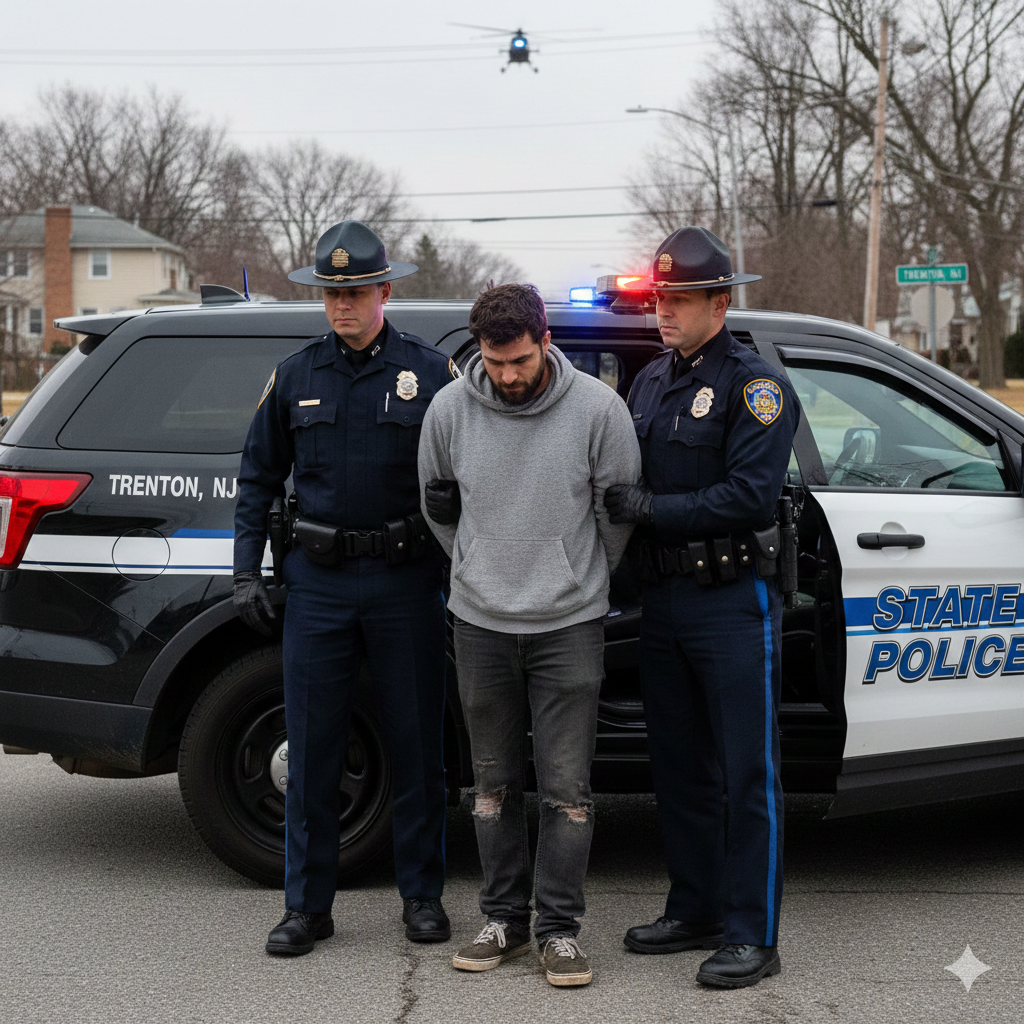
For nearly 30 years, Reisig Criminal Defense & DWI Law has helped people across New Jersey fight DWI and refusal charges. The firm has built a strong reputation for courtroom skill, deep knowledge of New Jersey DWI laws, and a long record of successful results. Understanding what the law says about refusal evidence is the first step in building a defense.
What New Jersey Law Says About Breath Test Refusal
New Jersey is an implied consent state. This means that the moment you drive on NJ roadways, you are considered to have agreed to submit to a breath test if an officer has probable cause to arrest you for DWI. If you refuse, even politely, the officer can charge you under the state’s refusal statute.
However, the part many people don’t realize is this:
Yes — police can use your refusal as evidence at trial.
Under NJSA 39:4-50.2 and related case law, prosecutors are allowed to argue that your refusal shows consciousness of guilt—meaning the jury or judge may view your refusal as a sign that you believed you would fail the breath test. While this doesn’t automatically mean you’ll be convicted, it does mean your refusal becomes a major issue in court.
How Police Use a Refusal Against You
Prosecutors may use refusal evidence in several ways:
- Suggesting You Knew You Were Intoxicated
They may claim that refusing the test shows you suspected your BAC would be above the legal limit.
- Supporting Officer Observations
If the officer noted slurred speech, bloodshot eyes, unsteady balance, or an odor of alcohol, the refusal can be used to strengthen those observations.
- Explaining Why No BAC Result Exists
The state can argue that the lack of a breath test result is directly due to your actions, not because police failed to gather evidence.
- Matching Your Behavior With Other Signs of Impairment
Prosecutors often combine refusal evidence with driving behavior, such as swerving, speeding, or failing field sobriety tests.
Even though refusal evidence can be powerful, it does not guarantee a conviction. A skilled defense attorney can challenge how the officer explained implied consent, how the arrest was handled, and whether the refusal was actually a true refusal.
What Counts as a “Refusal” in New Jersey?
Many drivers think refusal means clearly saying “no.” But the law is broader than that.
You may be charged with refusal if you:
- Stay silent
- Ask repeated questions instead of complying
- Blow too softly into the machine
- Delay giving an answer
- Give half-hearted attempts that don’t produce a reading
- Say “yes” but fail to follow through
New Jersey courts call this “conditional or ambiguous refusal.” The officer does not have to guess your intentions—anything short of full cooperation may count as a refusal.
When Refusal Evidence Cannot Be Used
There are several situations where an attorney may prevent refusal evidence from being used at trial:
- The Officer Did Not Provide Proper Implied Consent Warnings
Police must read a specific script explaining your rights and the consequences of refusing. If they make mistakes, the refusal charge may be challenged.
- You Have a Medical Condition
Certain medical issues—like asthma, lung disorders, or anxiety-related breathing problems—can make giving a proper breath sample difficult. These situations require expert review.
- The Arrest Itself Was Unlawful
If the stop or arrest lacked probable cause, prosecutors may not be allowed to use anything that happened afterward—including the refusal.
- There Was Equipment Failure
If the breath testing machine malfunctioned or officers failed to follow procedure, refusal evidence may be weakened.
A knowledgeable attorney will investigate each of these areas to protect you.
Penalties for Breath Test Refusal in New Jersey
Refusal carries serious consequences, including:
- Mandatory license suspension
- Thousands of dollars in fines and surcharges
- Ignition interlock requirements
- Possible jail in certain situations
- Higher insurance premiums
Worse, these penalties apply even if you are not convicted of DWI. That is why handling the refusal evidence correctly is essential.
How Reisig Criminal Defense & DWI Law Builds a Strong Defense
For nearly three decades, Reisig Criminal Defense & DWI Law has been one of New Jersey’s most trusted DWI defense firms. Their team has defended clients in municipal courts across the entire state and is highly familiar with local judges and prosecutors—an advantage that often leads to better results.
Their defense strategy may include:
- Challenging whether the refusal was valid
- Analyzing video footage from bodycams and dashcams
- Reviewing police procedures step-by-step
- Examining field sobriety test accuracy
- Investigating whether implied consent warnings were read correctly
- Identifying constitutional or procedural errors
- Presenting medical or technical defenses
- Negotiating for reduced penalties or dismissal
The firm’s long history of success gives clients confidence during one of the most stressful times of their lives.
Why Choosing the Right Lawyer Matters
New Jersey refusal cases are complex. Many drivers don’t realize that a refusal can sometimes be harder to fight than a DWI itself. The legal arguments are technical, the consequences are steep, and police often rely heavily on refusal evidence to strengthen their case.
Having an experienced, focused DWI defense lawyer can make the difference between:
- A suspended license vs. driving freedom
- Thousands in fines vs. manageable penalties
- A conviction vs. a successful defense
With nearly 30 years of results, Reisig Criminal Defense & DWI Law is the firm many New Jersey residents trust when everything is on the line.
Arrested for a Breath Test Refusal? Get Help Today
If you’re asking, “Can police use my refusal as evidence against me at trial in New Jersey?”, the answer is yes—but an experienced attorney can challenge how that evidence is used.
You don’t have to face this alone.
For dedicated, proven legal defense, contact Reisig Criminal Defense & DWI Law today for a free consultation.
