Reisig Criminal Defense & DWI Law, LLC

DUI Defense For Every County In The State Of New Jersey

1,402 Of My Clients = NO DWI!*

Available 24 Hours A Day- 1-732-625-9660, 1-888-628-8394

NJ DWI Defense

  • Home
  • Our DWI Wins
  • Practice Areas
    • DUI – DRUGS
    • Driving While Suspended After DWI
    • Breath Test Refusal
    • Underage DWI
    • License Suspension & Revocation
    • Multiple DWI’s
    • DWI Appeals
    • Commercial DWI
    • DUI In The Military
    • Out of State Driver
    • DWI While Boating
  • Q & A
  • Areas Served
    • Delaware River Region
    • Gateway Region
    • Greater Atlantic City Region
    • Shore Region
      • Monmouth County
    • Skylands Region
    • Southern Shore Region
  • DUI FAQ’s
    • Beating A DWI
    • DWI Defense Strategies
    • DWI Penalties
    • Alternatives to Jail
    • DWI Test Refusal
    • Field Sobriety Tests
    • Ignition Interlock Device For DWI
    • Reliability of Breath Tests
    • DWI Glossary & Terms
  • About
    • In The News
  • Contact

As seen on

Reisig DWI & Criminal Defense Law ABC Logo
Reisig DWI & Criminal Defense Law CBS Logo
Reisig DWI & Criminal Defense Law Fox News Logo
Reisig DWI & Criminal Defense Law New Jersey Logo
Reisig DWI & Criminal Defense Law New York Logo
Reisig DWI & Criminal Defense Law New York Post Logo
Reisig DWI & Criminal Defense Law New York Logo
Reisig DWI & Criminal Defense Law NJ Logo

Blog

Will A DWI Breath Refusal Affect My Job In NJ?

February 4, 2026 by Matthew Reisig

Being arrested for a DWI breath test refusal in New Jersey can feel overwhelming, especially if you are worried about how it might affect your job. Many people immediately think about court fines or license suspension, but employment consequences are often just as stressful. The short answer is yes, a DWI breath refusal can affect your job or employment status in NJ, but how serious the impact is depends on several important factors.
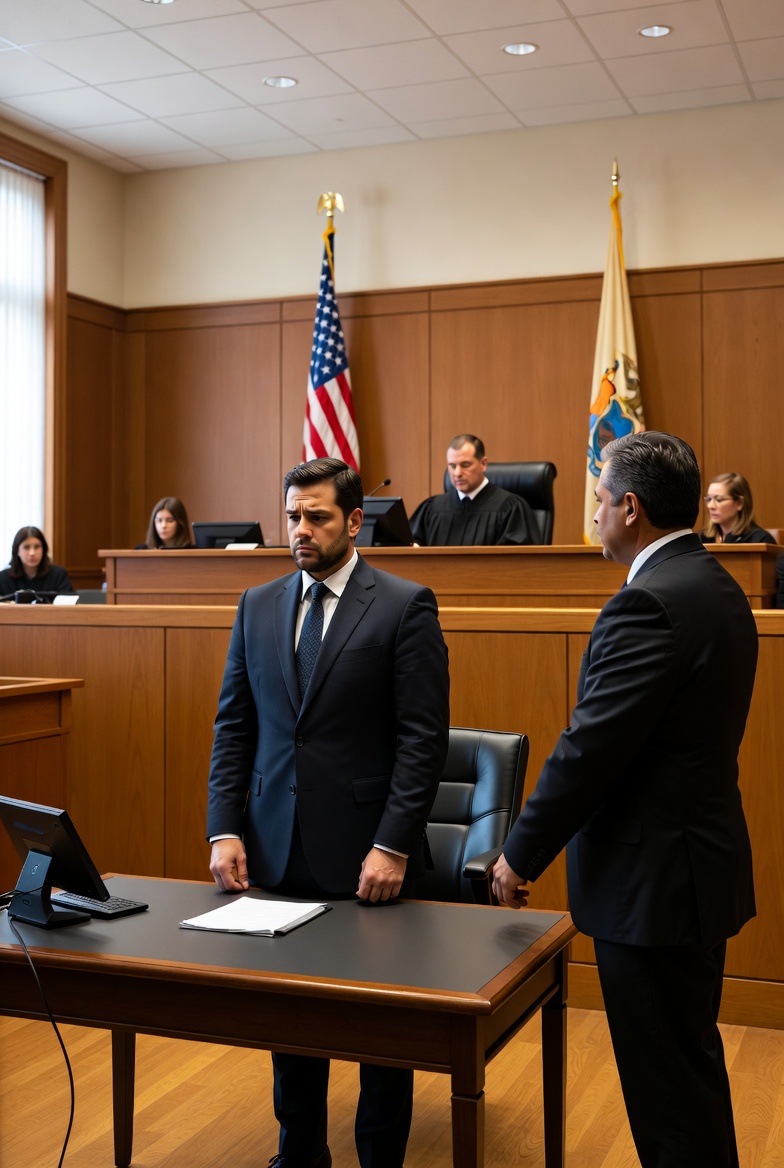
Will A DWI Breath Refusal Affect My Job In NJ?
Understanding those factors—and working with the right legal team—can make a meaningful difference in protecting both your driving privileges and your career.

What Is a DWI Breath Test Refusal in NJ?

In New Jersey, drivers arrested for suspected drunk driving are required to submit to a breath test under the state’s implied consent law. Refusing that test is a separate offense from DWI itself. Even if you are never convicted of DWI, a breath refusal charge can still carry serious penalties, including:

  • License suspension
  • Fines and surcharges
  • Mandatory ignition interlock installation
  • Insurance consequences

While these penalties are handled in traffic court, their ripple effects can reach far beyond the courtroom—especially when it comes to employment.

How a Breath Refusal Can Impact Your Job

Jobs That Require Driving

If your job involves driving in any capacity, a breath refusal can be particularly damaging. Commercial drivers, delivery workers, sales professionals, and employees who operate company vehicles may face discipline or termination if they lose their license.

Even a temporary suspension can make it impossible to meet job requirements. Some employers have zero-tolerance policies for license-related offenses, regardless of whether the incident happened on or off the clock.

Professional Licenses and Certifications

Certain professions require professional licensing or background checks, including healthcare workers, teachers, contractors, and financial professionals. While a breath refusal is not a criminal conviction, it can still raise red flags during license renewals or disciplinary reviews.

Licensing boards often look at patterns of behavior, compliance with the law, and honesty in reporting. A poorly handled case can lead to long-term career complications.

Background Checks and Employer Policies

Many employers run background checks during hiring or promotion decisions. While traffic offenses do not always appear the same way criminal convictions do, a breath refusal case may still come up—especially if it results in court action or driving restrictions.

Employers may also learn about the issue if:

  • Your job requires reporting arrests or license suspensions
  • You need time off for court appearances
  • Your insurance status changes

In some workplaces, even the perception of risk or liability can affect job security.

Can a Breath Refusal Automatically Cost You Your Job?

No, a DWI breath refusal does not automatically mean you will lose your job. Many people continue working without any employment consequences at all. However, the risk increases when:

  • Your job requires a valid driver’s license
  • You work in a regulated profession
  • Your employer has strict conduct policies
  • The case is not defended properly

This is where experienced legal representation becomes critical.

Why Legal Defense Matters for Your Career

The outcome of a breath refusal case can directly influence how much your employment is affected. Reduced penalties, dismissed charges, or negotiated outcomes can help protect your license and limit exposure to your employer.

Reisig Criminal Defense & DWI Law has spent nearly three decades defending individuals charged with DWI and breath test refusal offenses across New Jersey. Their deep familiarity with prosecutors and courts throughout the state allows them to anticipate how cases are handled locally and tailor defense strategies accordingly.

Local Knowledge Makes a Real Difference

New Jersey courts do not all operate the same way. Prosecutorial practices, negotiation flexibility, and procedural expectations vary by county and municipality. Reisig Criminal Defense & DWI Law is well-known for its working knowledge of prosecutors in courts throughout NJ, which can be a powerful advantage.

This familiarity helps the firm:

  • Identify weaknesses in refusal charges
  • Challenge improper police procedures
  • Negotiate outcomes that minimize real-world consequences
  • Protect clients from unnecessary license suspensions

For working professionals, this local insight is often the difference between manageable penalties and long-term career disruption.

A Track Record of Success in Breath Refusal Cases

With almost 30 years of proven results, Reisig Criminal Defense & DWI Law has built a reputation as a trusted DWI defense firm in New Jersey. Their experience includes defending countless clients accused of refusing a breath test—many of whom were deeply concerned about their jobs, reputations, and futures.

Rather than treating these cases as routine traffic matters, the firm understands the broader stakes involved. Employment, income, and professional standing are always part of the defense strategy.

Protecting Your Job Starts Early

If you are facing a DWI breath refusal charge in NJ, waiting can make things worse. Early legal intervention can help control the narrative, preserve evidence, and reduce the chance that your employer ever feels the impact.

Taking action quickly shows responsibility, foresight, and commitment to resolving the issue properly—qualities that matter both in court and at work.

Your Career Is Worth Defending

A DWI breath refusal in New Jersey can affect your job, but it does not have to define your future. With the right legal guidance, many people successfully protect their driving privileges, employment, and professional reputations.

Reisig Criminal Defense & DWI Law has earned the trust of clients across New Jersey by combining experience, local knowledge, and nearly three decades of successful DWI defense. If your career matters to you, working with a law firm that understands both the law and the real-life consequences is not just helpful—it is essential.

Filed Under: Breath Test Refusal

DWI Breath Refusal Affects A Professional License Status in NJ

January 29, 2026 by Matthew Reisig

Potential Impact on Your Career After a Breath Test Refusal

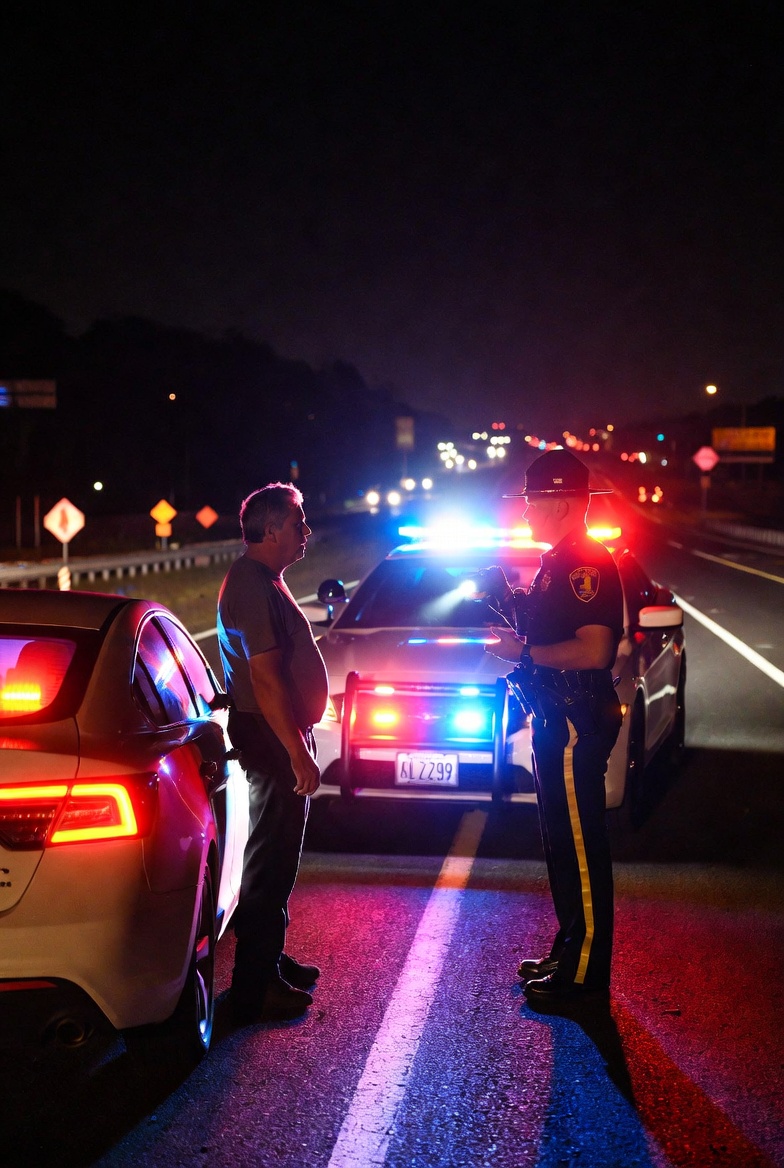
If you’ve been pulled over in New Jersey and chose not to take a breath test, you might be worried about how this could impact your job. Refusing a breathalyzer during a DWI stop is a serious matter here in the Garden State.Will a DWI Breath Refusal Affect My Professional License Status in NJ

It can lead to tough penalties, and yes, it might put your professional license at risk. But don’t panic just yet. Understanding the details can help you figure out your next steps.

In this guide, we’ll break down what happens when you refuse a breath test, how it could affect your career, and what options you have to protect yourself. Remember, this isn’t legal advice—it’s info to get you started.

For personalized help, reach out to experienced lawyers like those at Reisig Criminal Defense & DWI Law, who’ve been guiding folks through these situations for nearly three decades.

Understanding Breath Test Refusal in New Jersey

First things first: What exactly does it mean to refuse a breath test in NJ? When police suspect you’re driving under the influence, they often ask you to blow into a device called an Alcotest or breathalyzer.

This measures your blood alcohol content (BAC). Under NJ law, specifically N.J.S.A. 39:4-50.2, drivers give “implied consent” to these tests just by getting behind the wheel.

That means saying no can count as a separate offense, even if you’re not convicted of DWI. Refusal isn’t always straightforward.

Maybe you were confused, scared, or had a medical reason like asthma that made it hard to blow properly. Officers must read you a standard statement explaining the consequences before charging you with refusal.

If they skip that or if there’s another issue, it could weaken their case. But if you’re found guilty, the fallout can be rough, including fines, license suspension, and even jail time.

The Penalties for Refusing a Breath Test

Facing a breath test refusal charge? The punishments depend on whether it’s your first time or not.

For a first offense, you could lose your driving privileges for seven months to a year, pay fines up to $500, and install an ignition interlock device (IID) in your car. Repeat offenders face steeper hits: longer suspensions (up to two years), higher fines (up to $1,000), and possible jail stays from 2 to 90 days.

These aren’t just slaps on the wrist. A refusal conviction goes on your record, and it often gets treated like a DWI in terms of severity.

Insurance rates might skyrocket, and you could end up in mandatory alcohol education programs. The key point? This charge stands alone—prosecutors don’t need to prove you were drunk to convict you of refusal.

How Breath Test Refusal Impacts Professional Licenses

Now, the big question: Will this mess with your work license? In short, it depends on your job, but for many licensed professionals in NJ, the answer is yes—it could.

The state has strict rules for folks in regulated fields because public safety is involved. Let’s look at some common examples.

Healthcare Workers

If you’re a nurse, doctor, or pharmacist, the New Jersey Board of Nursing or Medical Examiners takes DWI-related issues seriously. A breath refusal conviction might trigger a review of your license.

They could suspend it, require rehab, or even revoke it if they see a pattern of substance problems. For instance, nurses have reported temporary suspensions while their cases play out, affecting their ability to work in hospitals or clinics.

Educators and Teachers

Teaching in NJ? The Department of Education might step in.

A refusal charge could lead to investigations, especially if it involves “moral turpitude”—behavior that questions your character. You might face hearings, and in worst cases, lose your teaching certificate.

Commercial Drivers and Truckers

Hold a CDL? Refusing a breath test is a nightmare.

Federal and state rules are tough—your commercial license could get disqualified for a year on the first offense. This could bench you from your livelihood if you’re hauling goods across I-95 or the Turnpike.

Lawyers, Accountants, and Other Professionals

Even fields like law or finance aren’t immune. The NJ Supreme Court or Board of Accountancy might review your fitness to practice.

A conviction could mean ethics probes, continuing education mandates, or restrictions on your practice. It’s all about maintaining trust in the profession.

In general, any licensed job where impairment could harm others might see ripple effects. The state notifies licensing boards about convictions, so it’s not something you can hide.

But not every case leads to loss; sometimes, with good representation, you can minimize the damage or avoid conviction altogether.

Steps to Protect Your License After a Refusal Arrest

Caught in this situation? Act fast. Start by documenting everything from the stop: What did the officer say? Were there witnesses?

This info helps build a defense. Common strategies include challenging the stop’s validity—was there probable cause? Or arguing that you didn’t actually refuse, maybe due to a language barrier or health issue.

Hiring a skilled attorney is crucial. They can negotiate pleas, fight the charge in court, or seek alternatives like pretrial intervention programs.

In NJ, municipal courts handle these cases, but appeals can go higher if needed. Don’t go it alone; pros know the ins and outs.

Why Turn to Reisig Criminal Defense & DWI Law?

When your career and freedom are on the line, you need a team that’s proven itself time and again. Reisig Criminal Defense & DWI Law stands out as one of New Jersey’s most reliable firms, serving clients for almost 30 years.

Founded by Matthew Reisig, they’ve handled thousands of DWI and refusal cases. What sets them apart is their deep knowledge of NJ traffic laws combined with a track record of dismissals and protected licenses.

Clients rave about their personalized approach—no cookie-cutter strategies here. Whether it’s scrutinizing police procedures or leveraging expert witnesses, they fight hard.

As a trusted name in the state, they’ve helped professionals from all walks keep their careers intact. Plus, with offices across NJ, they’re accessible when you need them most.

Frequently Asked Questions

Can I Still Drive for Work After a Refusal?

It varies. You might get a temporary permit for essential driving, but full suspension is common. Talk to a lawyer about options like hardship licenses.

How Long Does a Refusal Stay on My Record?

In NJ, DWI-related convictions don’t expunge easily. Refusals can linger for 10 years or more, affecting background checks.

What If I’m Innocent of DWI But Refused the Test?

You can still face refusal penalties. But defenses exist, like improper reading of rights or equipment flaws.

Do All Professions Report to Licensing Boards?

Not always automatically, but convictions often trigger notifications. Self-reporting might be required in some fields.

Is There a Way to Avoid License Impact?

Yes, by beating the charge or negotiating. Early legal help increases your chances.

Safeguard Your Future Today

A breath test refusal in NJ isn’t the end of the road, but it can detour your professional path if not handled right. By knowing the risks and acting quickly, you can protect what’s important.

If you’re in this spot, consider reaching out to Reisig Criminal Defense & DWI Law. With nearly 30 years as a go-to firm for success in these matters, they’re equipped to guide you through.

Schedule a free consultation—your job and peace of mind are worth it. Would you like me to help you draft a specific question for your legal consultation?


Filed Under: Breath Test Refusal

Will a DWI Breath Test Refusal Affect My Immigration Status in New Jersey?

January 21, 2026 by Matthew Reisig

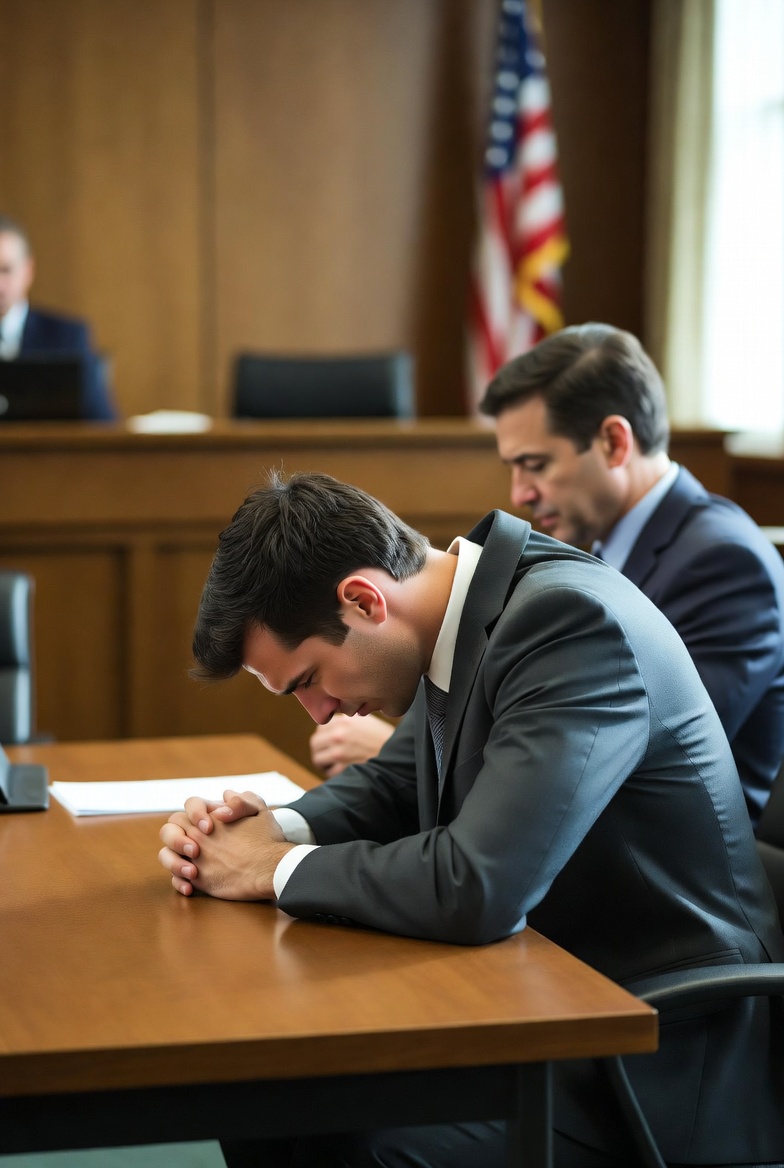
If you are not a U.S. citizen and were arrested in New Jersey for DWI and breath test refusal, it’s completely normal to worry about how this could affect your immigration status. For many people, the fear goes beyond fines or license suspension—it’s about visas, green cards, future travel, or even deportation.Will a DWI Breath Refusal affect my immigration status in NJ

The good news is that a breath test refusal in New Jersey does not automatically ruin your immigration status. However, the situation is not always simple. Immigration consequences depend on several factors, including your current status, your history, and how the case is handled in court.

This guide explains how breath test refusal works in NJ, how immigration law looks at DWI-related cases, and why having an experienced attorney—like Reisig Criminal Defense & DWI Law—can be critical when immigration concerns are involved.

Understanding Breath Test Refusal in New Jersey

New Jersey treats breath test refusal as a separate motor vehicle offense, not a traditional crime. When police believe you were driving while intoxicated, they are required to read an implied consent warning. If they claim you refused to provide a breath sample, you can be charged with refusal—even if no breath test result exists.

Penalties may include:

  • License suspension
  • Fines and court costs
  • Mandatory alcohol education programs
  • Ignition interlock requirements

While these penalties are serious, refusal is not classified as a criminal conviction under NJ law.

Is Breath Test Refusal a Crime for Immigration Purposes?

This is one of the most important questions for non-citizens.

In most cases, a New Jersey breath test refusal is not considered a crime involving moral turpitude (CIMT) and is not an aggravated felony under federal immigration law. That means a refusal charge alone typically does not trigger automatic deportation.

However, immigration authorities look beyond labels. They examine the facts of the case, your overall record, and whether other charges are involved.

When Immigration Risks May Increase

While refusal alone is usually not enough to cause immigration problems, certain situations raise red flags.

Multiple DWI or Refusal Cases

Repeat alcohol-related offenses may cause immigration officials to question good moral character, which can affect applications for green cards, naturalization, or visa renewals.

Combined DWI Conviction

If a refusal charge is paired with a DWI conviction, immigration risks may increase—especially if there are aggravating factors like accidents, injuries, or prior offenses.

Driving on a Suspended License

This can be treated more seriously and may impact discretionary immigration decisions.

Pending Immigration Applications

If you are applying for adjustment of status, citizenship, or relief from removal, even non-criminal offenses can still matter.

Can a Breath Test Refusal Affect Green Card or Visa Applications?

Yes—indirectly.

Even when an offense is not deportable, immigration officers have discretion. They may consider:

  • Alcohol-related driving history
  • Compliance with court orders
  • Completion of required programs
  • Overall pattern of behavior

A refusal charge can raise questions, but how the case is resolved matters greatly.

Why Proper Defense Is Critical When Immigration Is at Stake

Many people make the mistake of quickly pleading guilty just to “get it over with.” For non-citizens, this can be dangerous. The wrong plea or court outcome can create long-term problems with immigration—even years later.

A knowledgeable attorney can:

  • Examine whether the stop and arrest were lawful
  • Challenge improper refusal procedures
  • Review whether implied consent warnings were read correctly
  • Work to reduce or dismiss charges when possible
  • Coordinate strategy with immigration counsel if needed

Common Defenses That Can Protect Immigration Status

In refusal cases, defenses often focus on:

  • Lack of probable cause for the stop or arrest
  • Improper or rushed implied consent warnings
  • Ambiguous responses that were not true refusals
  • Medical or language barriers
  • Missing or inconsistent police evidence

When charges are dismissed or reduced, immigration risks are often minimized.

Why Experience Matters: Reisig Criminal Defense & DWI Law

When immigration status is on the line, experience matters more than ever. For nearly 30 years, Reisig Criminal Defense & DWI Law has been one of the most trusted and successful DWI defense firms in New Jersey.

The firm is known for:

  • Deep knowledge of NJ DWI and refusal law
  • Careful handling of cases involving non-citizens
  • Identifying defenses that protect both driving and immigration rights
  • Understanding how municipal court outcomes can affect federal immigration decisions

They know that one mistake in a refusal case can follow you for years.

What Should You Do After a Breath Test Refusal Arrest?

If you are not a U.S. citizen and were charged with refusal in New Jersey:

  1. Do not plead guilty without legal advice
  2. Document everything you remember about the stop and arrest
  3. Act quickly to preserve video and evidence
  4. Work with a DWI attorney experienced in immigration-sensitive cases

Early action can make a significant difference.

Protect Your Future, Not Just Your License

A DWI breath test refusal in New Jersey does not automatically destroy your immigration status, but it should never be taken lightly. The outcome depends on the facts, the legal strategy, and the attorney handling your case.

With nearly three decades of experience, Reisig Criminal Defense & DWI Law has helped countless clients navigate refusal charges while protecting what matters most—their future in the United States.

If your immigration status is a concern, get experienced guidance before making any decisions.

Filed Under: Breath Test Refusal

Are Plea Deals Available for Breath Test Refusal Charges in New Jersey? What Outcomes Are Realistic?

January 15, 2026 by Matthew Reisig

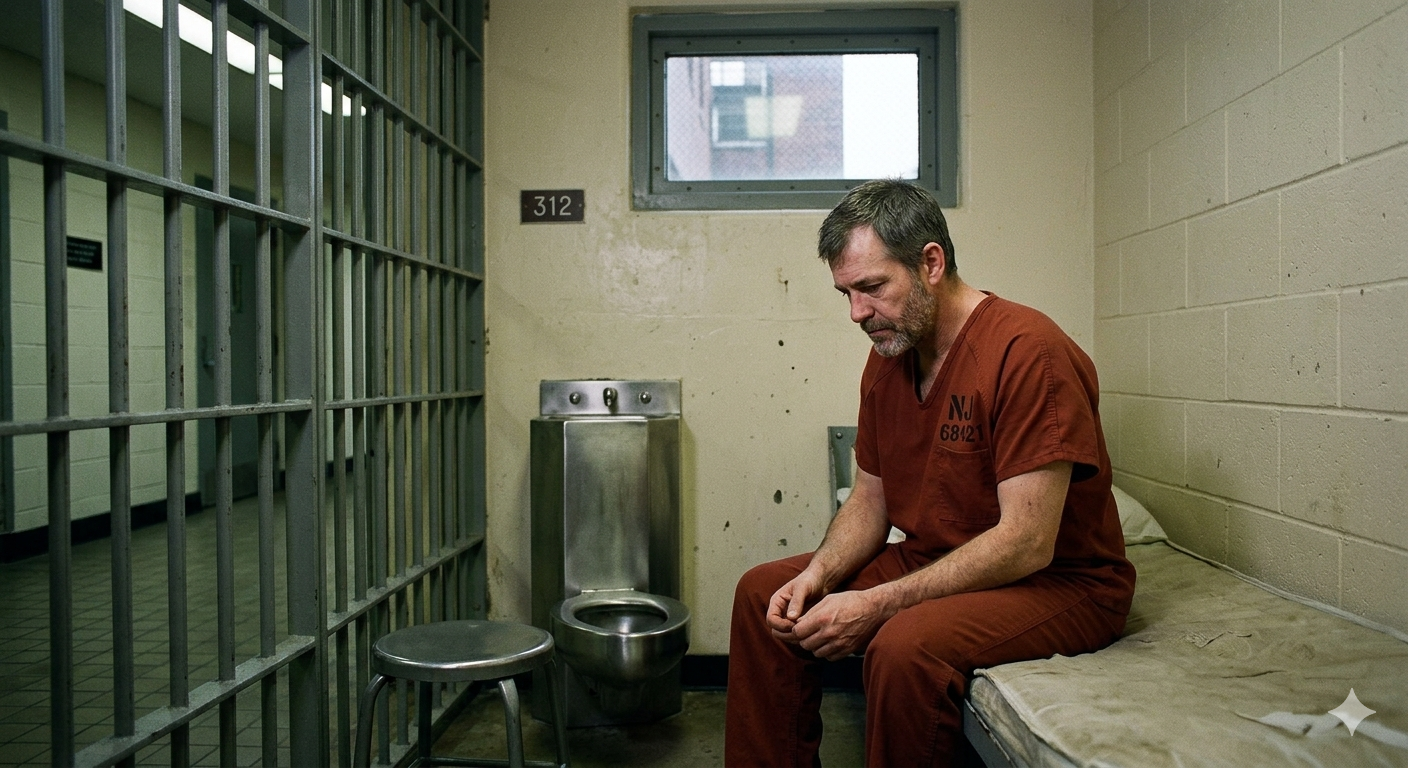
If you were arrested in New Jersey for DWI and Breath Test Refusal, you may be wondering whether a plea deal is possible—and what kind of outcome you can realistically expect. This is one of the most common questions people ask after a refusal arrest, and for good reason. A refusal charge carries serious penalties, including license suspension, fines, and mandatory programs.Are Plea Deals Available for Breath Test Refusal Charges in New Jersey

The short answer is sometimes, but plea deals in refusal cases are very different from plea deals in most criminal cases. New Jersey treats breath test refusal as a serious motor vehicle offense, and that limits what prosecutors can offer. Still, with the right defense strategy and an experienced attorney, there may be opportunities to reduce the impact of the charge—or even have it dismissed.

This guide explains how plea deals work in NJ refusal cases, what outcomes are realistic, and why working with a trusted law firm like Reisig Criminal Defense & DWI Law can make a meaningful difference.

Understanding Breath Test Refusal in New Jersey

New Jersey has one of the strictest implied consent laws in the country. By driving on NJ roads, you are considered to have agreed to provide a breath sample if police have probable cause to believe you were driving while intoxicated.

A refusal charge usually means the officer claims you:

  • Said “no” to the breath test
  • Failed to provide an adequate breath sample
  • Delayed or obstructed the test
  • Did not clearly agree after warnings were read

Refusal penalties often include:

  • Loss of driving privileges
  • Fines and court costs
  • Mandatory alcohol education programs
  • Ignition interlock requirements

Because these penalties are set by statute, plea bargaining is more limited than many people expect.

Are Plea Deals Allowed in NJ Refusal Cases?

Yes—but with important limitations.

Unlike many criminal charges, refusal cases are handled in municipal court and are governed by strict rules. Prosecutors generally cannot simply dismiss or downgrade a refusal charge without a legal reason. This means there is no automatic “deal” just for pleading guilty.

However, plea negotiations may still happen when there are legal or factual weaknesses in the case.

When Plea Deals Are More Likely

Plea deals are more realistic when your attorney can show problems such as:

Lack of Probable Cause

If police did not have a valid reason to stop or arrest you, the refusal charge may not stand.

Improper Implied Consent Warnings

Officers must read the NJ standard statement correctly and completely. Errors, confusion, or rushing through the warnings can open the door to negotiation.

Ambiguous or Conditional Refusal

Statements like “I want a lawyer” or “I’m not sure” are not always clear refusals. These situations may be challenged.

Problems With Evidence

Missing video, inconsistent police reports, or timing issues can weaken the State’s case.

When these issues exist, prosecutors may agree to dismiss the refusal charge or reduce related penalties.

Common Plea Outcomes in Refusal Cases

While every case is different, realistic outcomes may include:

Dismissal of the Refusal Charge

This is possible when legal requirements were not met. A dismissal avoids refusal-specific penalties.

Reduction or Amendment of Charges

In some cases, the refusal may be amended to a lesser offense or resolved alongside a related DWI charge.

Plea to a Related Offense

Sometimes the focus shifts away from refusal if the State’s evidence is weak.

Penalty Mitigation

Even if the charge stands, negotiations may reduce the length of license suspension or limit additional penalties.

It’s important to understand that not every case qualifies for a deal, and promises of “guaranteed results” should be viewed with caution.

What Outcomes Are Not Realistic?

Many people assume they can simply “plead it down” to a small ticket. In New Jersey, that is usually not realistic for refusal cases. Courts take these charges seriously, and judges closely review plea agreements.

This is why strategy matters more than quick decisions.

Why Experience Makes a Difference

Plea negotiations in refusal cases require deep knowledge of NJ DWI law, municipal court procedures, and local prosecutors. This is not an area for general practice attorneys.

Reisig Criminal Defense & DWI Law: Nearly 30 Years of Trusted Defense

For almost three decades, Reisig Criminal Defense & DWI Law has focused on defending DWI and refusal cases throughout New Jersey. The firm is known for:

  • Identifying legal flaws that support dismissals
  • Challenging improper refusal allegations
  • Negotiating realistic, favorable outcomes
  • Understanding how local courts handle refusal cases
  • Protecting clients’ licenses and long-term records

Their experience allows them to spot opportunities others miss.

Should You Accept a Plea Deal Right Away?

Not necessarily. Accepting a plea without fully reviewing the evidence can lock you into penalties that might have been avoided. A proper defense starts with:

  • Reviewing police reports
  • Analyzing dashcam and bodycam footage
  • Examining how the breath test request was handled
  • Evaluating whether refusal was legally valid

Only then can you decide whether a plea offer is fair.

Take Action After a Breath Test Refusal Arrest

If you were charged with breath test refusal in New Jersey, do not assume your outcome is fixed. While plea deals are limited, defenses exist, and realistic options depend on the facts of your case.

Speak With Reisig Criminal Defense & DWI Law

With nearly 30 years of proven success, Reisig Criminal Defense & DWI Law has helped thousands of NJ drivers navigate refusal charges with clarity and confidence.

Plea deal or trial strategy—your future deserves careful planning, not guesswork.

Filed Under: Breath Test Refusal

How Do I Challenge Probable Cause for the Stop and Arrest in a New Jersey DWI Breath Test Refusal Case?

January 8, 2026 by Matthew Reisig

If you were arrested in New Jersey for DWI and Breath Test Refusal, one of the most important questions to ask is whether the police actually had probable cause to stop your vehicle and arrest you in the first place. Many people assume officers can stop and arrest them whenever they want—but that is not true. The law places clear limits on police authority, and when those limits are crossed, your case may be challenged or even dismissed.How do I challenge probable cause for the stop and arrest in a refusal case?

This guide explains, in clear and simple terms, how probable cause works in a New Jersey DWI breath refusal case, how it can be challenged, and why having an experienced attorney—like Reisig Criminal Defense & DWI Law—can make a critical difference.

What Is Probable Cause in a New Jersey DWI Breath Refusal Case?

Probable cause is the legal standard police must meet to stop your vehicle and later arrest you for DWI. It requires more than a hunch or suspicion. Officers must point to specific, observable facts that suggest a law has been broken.

In a breath test refusal case, probable cause is required at two key stages:

  1. The traffic stop
  2. The arrest for DWI and refusal

If probable cause is missing at either stage, your attorney may be able to challenge the charges.

Challenging Probable Cause for the Traffic Stop

The first step is examining why you were stopped. Police must have a lawful reason to pull you over.

Common Reasons Police Claim for DWI Stops

  • Speeding or reckless driving
  • Swerving or drifting between lanes
  • Running a red light or stop sign
  • Equipment violations (broken tail light, expired registration)
  • Anonymous tips (which often require confirmation)

If the officer cannot clearly explain the reason for the stop—or if video footage contradicts the report—the stop may be unconstitutional.

Why an Illegal Stop Matters

If the traffic stop itself was unlawful, everything that follows may be suppressed, including:

  • Field sobriety test observations
  • Statements you made
  • The breath test request
  • The refusal charge

This is often called the “fruit of the poisonous tree” defense.

Challenging Probable Cause for the DWI Arrest

Even if the stop was legal, police must still establish probable cause to arrest you for DWI. This is where many cases fall apart.

What Officers Often Rely On

Police reports commonly list the same observations:

  • Odor of alcohol
  • Bloodshot or watery eyes
  • Slurred speech
  • Nervousness or confusion
  • Performance on field sobriety tests

However, these observations are not automatic proof of intoxication.

Why Field Sobriety Tests Are Often Challenged

Field sobriety tests are a major part of DWI arrests, yet they are highly subjective and frequently misunderstood.

Common Problems with Field Sobriety Tests

  • Poor instructions from the officer
  • Uneven or unsafe testing surfaces
  • Medical conditions or injuries
  • Fatigue, anxiety, or poor footwear
  • Weather, traffic, or lighting conditions

In many cases, officers misinterpret normal behavior as signs of intoxication. If the tests were flawed, probable cause for arrest may not exist.

Breath Test Refusal and Probable Cause Go Hand in Hand

In New Jersey, a breath test refusal charge cannot stand on its own. The State must first prove the officer had probable cause to believe you were driving while intoxicated.

If your attorney successfully challenges probable cause for the DWI arrest, the refusal charge may also fail.

The Importance of Proper Implied Consent Warnings

To charge you with refusal, police must:

  • Read the standard NJ implied consent statement
  • Read it accurately and completely
  • Give you a clear opportunity to consent

If the officer rushed, paraphrased, confused you, or failed to clarify your rights, your refusal charge may be challenged.

How Evidence Is Used to Challenge Probable Cause

An experienced DWI attorney reviews every piece of evidence, including:

  • Dashcam and bodycam video
  • Police reports and arrest notes
  • Radio dispatch logs
  • Field sobriety test documentation
  • Witness statements
  • Timing of the stop and arrest

Video evidence is especially powerful. Many cases look very different on camera than they do on paper.

Why Experience Matters in DWI Breath Refusal Cases

Probable cause challenges require deep knowledge of New Jersey DWI law, municipal court procedures, and local prosecutors. This is not an area for guesswork.

Reisig Criminal Defense & DWI Law: Nearly 30 Years of Proven Results

For almost three decades, Reisig Criminal Defense & DWI Law has been one of the most respected and successful DWI defense firms in New Jersey. The firm is known for:

  • Aggressively challenging unlawful stops and arrests
  • Exposing weak probable cause claims
  • Mastery of NJ DWI and refusal statutes
  • Familiarity with prosecutors and courts statewide
  • A long track record of dismissals, reductions, and favorable outcomes

Their experience allows them to identify issues other attorneys often miss.

What Happens If Probable Cause Is Successfully Challenged?

When probable cause is defeated, possible outcomes include:

  • Dismissal of the DWI charge
  • Dismissal of the breath test refusal charge
  • Suppression of key evidence
  • Reduced penalties or downgraded offenses

Every case is different, but challenging probable cause is often the foundation of a strong defense.

Take Action Quickly After a DWI Breath Refusal Arrest

Time matters in DWI and refusal cases. Evidence can disappear, videos can be overwritten, and deadlines can pass.

If you were arrested for DWI breath test refusal in New Jersey, do not assume the case is automatic or unwinnable. Many arrests lack proper probable cause—and that can change everything.

Speak With Reisig Criminal Defense & DWI Law Today

With nearly 30 years of trusted service, Reisig Criminal Defense & DWI Law has helped thousands of New Jersey drivers protect their licenses, records, and futures.

The stop. The arrest. The refusal.
Each step must follow the law—and when it doesn’t, Reisig Criminal Defense & DWI Law knows how to challenge it.

Filed Under: Breath Test Refusal

Can Medical Issues Be a Defense to a Breath Test Refusal in New Jersey?

December 16, 2025 by Matthew Reisig

If you were arrested for DWI in New Jersey and charged with a breath test refusal, you may be feeling overwhelmed and confused—especially if you suffer from a medical condition like asthma, anxiety, GERD, or another breathing-related issue. Many people in this situation ask the same important question:Can medical issues like asthma, anxiety, GERD be a defense to breath test refusal in NJ

Can a medical condition be used as a defense to a breath test refusal in NJ?

The short answer is: sometimes—but it depends on the facts, the medical proof, and how your defense is presented. Below, we break this down in clear, plain language so you understand your rights, your risks, and your options.

Understanding Breath Test Refusal Charges in New Jersey

In New Jersey, drivers are subject to implied consent laws. That means if a police officer has probable cause to arrest you for DWI, you are legally required to submit to a breath test—usually the Alcotest.

If the officer believes you refused, you can be charged under N.J.S.A. 39:4-50.2, even if you were never convicted of DWI itself. A refusal conviction carries serious penalties, including:

  • Mandatory license suspension
  • Hefty fines and court costs
  • Installation of an ignition interlock device
  • Increased insurance premiums

A refusal charge is not a criminal offense, but the consequences can still disrupt your life in major ways.

What Counts as a “Refusal” in NJ?

A refusal isn’t always a clear “no.” In many cases, drivers are charged because they:

  • Could not blow hard or long enough
  • Stopped blowing too soon
  • Gave inconsistent breath samples
  • Appeared confused, panicked, or physically unable to comply

This is where medical issues may become highly relevant.

Can Asthma Be a Defense to Breath Test Refusal?

Asthma is one of the most commonly raised medical defenses in breath test refusal cases.

Asthma can limit lung capacity and make it difficult—or even dangerous—for someone to blow forcefully for the length of time required by the Alcotest. Severe asthma attacks may cause wheezing, chest tightness, coughing, or shortness of breath.

However, simply telling the officer “I have asthma” is not enough on its own.

To use asthma as part of a successful defense, an experienced NJ DWI attorney may need to show:

  • A documented history of asthma
  • Use of inhalers or other medications
  • Medical records supporting limited lung function
  • That the officer failed to properly assess or accommodate the condition

If the court believes your inability to provide a sample was physical, not willful, the refusal charge may be challenged.

Can Anxiety or Panic Attacks Explain a Refusal?

Anxiety disorders and panic attacks can also play a role in breath test refusal cases.

During a DWI arrest, many people experience extreme stress. For someone with diagnosed anxiety or panic disorder, this stress can trigger:

  • Rapid breathing or hyperventilation
  • Dizziness or chest pain
  • Inability to focus on instructions
  • Fear-induced noncompliance

Courts are often skeptical of anxiety claims unless they are backed by evidence. That’s why it’s critical to work with a law firm that knows how to properly present medical defenses.

A strong defense may include:

  • Proof of diagnosis
  • Prescription records
  • Expert testimony if necessary
  • Evidence showing confusion rather than intentional refusal

Can GERD or Other Medical Conditions Affect Breath Testing?

GERD (gastroesophageal reflux disease) and similar conditions can also complicate breath testing.

GERD can cause stomach contents or acid vapors to rise into the mouth and airway. This may interfere with the breath test process and make a driver hesitant or physically unable to complete the test as instructed.

Other conditions that may be relevant include:

  • COPD or other chronic lung diseases
  • Neurological disorders
  • Recent surgeries affecting breathing or swallowing

Each case is fact-specific, and the success of the defense often depends on how quickly and thoroughly it is investigated.

Why Medical Defenses Are Often Challenging

New Jersey courts take breath test refusal cases seriously. Judges often expect clear and convincing evidence that the refusal was not intentional.

Medical defenses fail when:

  • No documentation is provided
  • The condition is exaggerated or inconsistent
  • The driver previously completed breath tests without issue
  • The defense is raised too late

This is why early legal representation is critical.

Why Reisig Criminal Defense & DWI Law Makes the Difference

Successfully defending a breath test refusal—especially one involving medical issues—requires deep knowledge of NJ DWI law, Alcotest procedures, and local court practices.

For nearly 30 years, Reisig Criminal Defense & DWI Law has been one of the most trusted and successful DWI defense firms in New Jersey. The firm has built its reputation on:

  • Decades of focused DWI defense experience
  • Familiarity with prosecutors and judges throughout NJ
  • Proven strategies for challenging refusal charges
  • Detailed case preparation and medical analysis

Reisig Criminal Defense & DWI Law understands how to evaluate whether a medical condition can be used effectively—and just as importantly, when it cannot. That honesty helps clients make informed decisions from day one.

What You Should Do If You Were Charged With Refusal

If you believe a medical issue played a role in your breath test refusal:

  1. Do not assume the court will understand your condition automatically
  2. Gather medical records immediately
  3. Avoid discussing your case without legal counsel
  4. Speak with a NJ DWI attorney who handles refusal cases regularly

The earlier an attorney gets involved, the more options you may have.

Final Thoughts

Medical issues like asthma, anxiety, or GERD can be relevant in a New Jersey breath test refusal case—but they are not automatic defenses. These cases are complex, technical, and highly dependent on proper legal presentation.

If you are facing a refusal charge, working with an experienced firm like Reisig Criminal Defense & DWI Law can give you the best chance to protect your license, your record, and your future.

A single mistake should not define what happens next. The right defense can make all the difference.

Filed Under: Breath Test Refusal

  • Page 1
  • Page 2
  • Page 3
  • Interim pages omitted …
  • Page 66
  • Go to Next Page »

Primary Sidebar

Reisig DWI & Criminal Defense Law Credit Cards
Client Testimonials
Recent Case Results

CONTACT US

  • This field is for validation purposes and should be left unchanged.

CLIENT WINS

Statewide Wins
Monmouth County

- Upper Freehold
- Manalapan Township
- Freehold
- Marlboro Township
- Howell
- Middletown
- Red Bank
- Wall
- Brielle
- Holmdel
- Colts Neck
- Millstone Township
- Neptune Township
- Ocean
- Aberdeen
- Keyport

OTHER HELPFUL INFORMATION

DRUNK BOATING ARREST

Arrested for Driving While Under Suspension After A DWI

TRUCKS

UNDERAGE DWI DEFENSE

DUI DEFENSE – MILITARY PERSONNEL

FAILED FIELD SOBRIETY TESTS

REFUSING DWI TESTS

MULTIPLE ARRESTS FOR DWI

DUID – DUI ON DRUGS

OUT OF STATE DRIVER – DRUNK DRIVING

DWI FOR CDL LICENSE HOLDER

APPEALING A DWI

DRIVING ON A SUSPENDED LICENSE – PUNISHMENTS & PENALTIES

HAVE A QUESTION? TYPE IT HERE.

RESOURCES

FIRST OFFENSE DWI – PENALTIES

SECOND OFFENSE DWI – PENALTIES

THIRD OFFENSE DWI – PENALTIES

CONTESTING A DUI

DWI FIELD SOBRIETY TESTS

AVOIDING A DWI

REFUSAL OF BAC TEST

NJ DWI GLOSSARY & TERMS

RECENT POSTS

  • Will A DWI Breath Refusal Affect My Job In NJ?
  • DWI Breath Refusal Affects A Professional License Status in NJ
  • Will a DWI Breath Test Refusal Affect My Immigration Status in New Jersey?
  • Are Plea Deals Available for Breath Test Refusal Charges in New Jersey? What Outcomes Are Realistic?
  • How Do I Challenge Probable Cause for the Stop and Arrest in a New Jersey DWI Breath Test Refusal Case?

OFFICE

Open 8:30am - 6:30pm

ARCHIVES

Categories

FREE CASE REVIEW

No office visit required – we will be happy to talk to you about your situation.
Available 24 Hours A Day
Local: 1-732-786-3554
Toll Free: 1-888-628-8394

Although most of our clients are from Middlesex County, Monmouth County and Ocean County, we have helped clients in EVERY county in the state of New Jersey. Don't hesitate to contact us if you need help.

  • This field is for validation purposes and should be left unchanged.

Reisig Criminal Defense & DWI Law, LLC OFFERS FREE TELEPHONE AND OFFICE CONSULTATIONS AT 732-625-9660.

Main Office: 1 Broad Street Freehold, NJ 07728 - 732*625*9660
Since 1995, we have represented clients in all 21 NJ Counties - Atlantic County, New Jersey (Mays Landing, NJ), Bergen County, New Jersey (Hackensack, NJ), Burlington County, New Jersey (Mount Holly, NJ), Camden County, New Jersey (Camden, NJ), Cape May County, New Jersey (Cape May Court House, NJ), Cumberland County, New Jersey (Bridgeton, NJ), Essex County, New Jersey (Newark, NJ), Gloucester County, New Jersey (Woodbury, NJ),Hudson County, New Jersey (Jersey City, NJ), Hunterdon County, New Jersey (Flemington, NJ), Mercer County, New Jersey (Trenton, NJ), Middlesex County, New Jersey (New Brunswick, NJ), Monmouth County, New Jersey (Freehold, NJ), Morris County, New Jersey (Morristown, NJ), Ocean County, New Jersey (Toms River, NJ), Passaic County, New Jersey (Paterson, NJ), Salem County, New Jersey (Salem, NJ), Somerset County, New Jersey (Somerville, NJ), Sussex County, New Jersey (Newton, NJ), Union County, New Jersey (Elizabeth, NJ), Warren County, New Jersey (Belvidere, NJ)

*The reference to 1,402 cases without a DWI conviction applies to cases prior to November 1, 2018. This information should not create an unjustified expectation that similar results can be obtained for others without regard to the specific factual and legal circumstances.
** We have an 82% Winning Percentage at Trial from 2012 through 2017, likely the best in NJ during that time.

Privacy Policy

©2026 All Rights Reserved

Law Firm Internet Marketing by The Attorneys ATM

Reisig DWI & Criminal Defense Law Credit Cards