


If you were arrested in New Jersey for DWI and Breath Test Refusal, one of the most important questions to ask is whether the police actually had probable cause to stop your vehicle and arrest you in the first place. Many people assume officers can stop and arrest them whenever they want—but that is not true. The law places clear limits on police authority, and when those limits are crossed, your case may be challenged or even dismissed.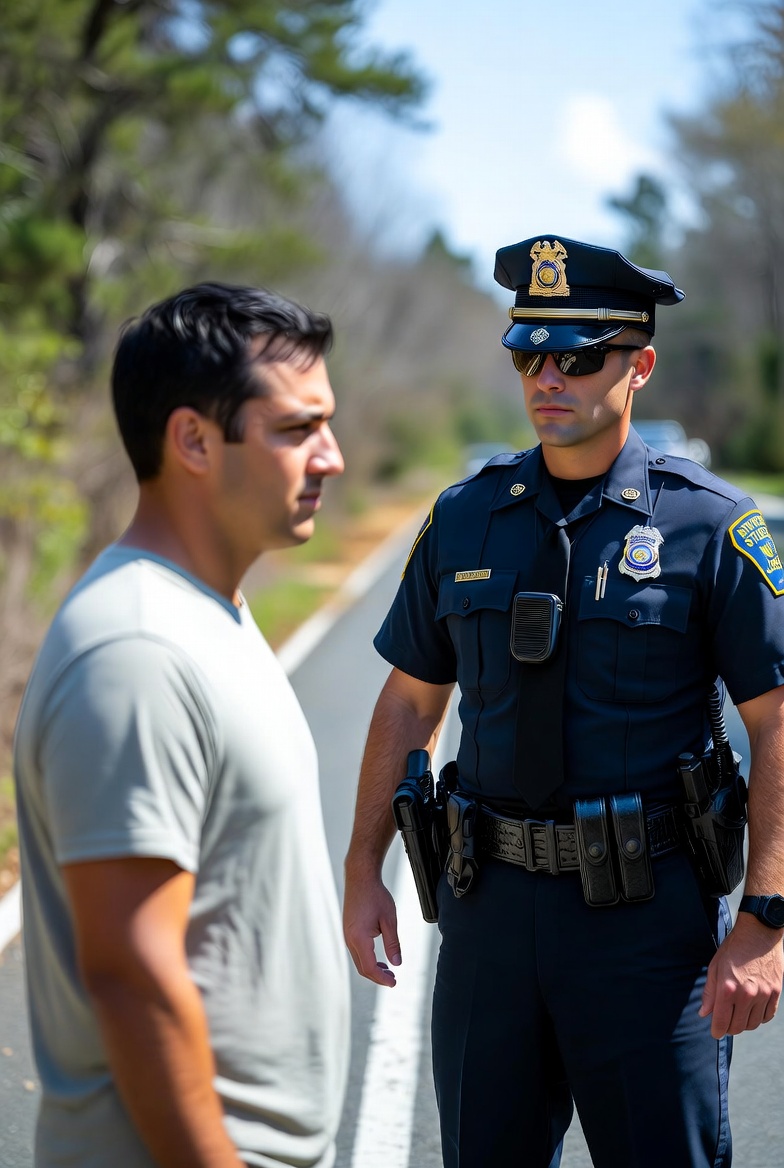
This guide explains, in clear and simple terms, how probable cause works in a New Jersey DWI breath refusal case, how it can be challenged, and why having an experienced attorney—like Reisig Criminal Defense & DWI Law—can make a critical difference.
What Is Probable Cause in a New Jersey DWI Breath Refusal Case?
Probable cause is the legal standard police must meet to stop your vehicle and later arrest you for DWI. It requires more than a hunch or suspicion. Officers must point to specific, observable facts that suggest a law has been broken.
In a breath test refusal case, probable cause is required at two key stages:
- The traffic stop
- The arrest for DWI and refusal
If probable cause is missing at either stage, your attorney may be able to challenge the charges.
Challenging Probable Cause for the Traffic Stop
The first step is examining why you were stopped. Police must have a lawful reason to pull you over.
Common Reasons Police Claim for DWI Stops
- Speeding or reckless driving
- Swerving or drifting between lanes
- Running a red light or stop sign
- Equipment violations (broken tail light, expired registration)
- Anonymous tips (which often require confirmation)
If the officer cannot clearly explain the reason for the stop—or if video footage contradicts the report—the stop may be unconstitutional.
Why an Illegal Stop Matters
If the traffic stop itself was unlawful, everything that follows may be suppressed, including:
- Field sobriety test observations
- Statements you made
- The breath test request
- The refusal charge
This is often called the “fruit of the poisonous tree” defense.
Challenging Probable Cause for the DWI Arrest
Even if the stop was legal, police must still establish probable cause to arrest you for DWI. This is where many cases fall apart.
What Officers Often Rely On
Police reports commonly list the same observations:
- Odor of alcohol
- Bloodshot or watery eyes
- Slurred speech
- Nervousness or confusion
- Performance on field sobriety tests
However, these observations are not automatic proof of intoxication.
Why Field Sobriety Tests Are Often Challenged
Field sobriety tests are a major part of DWI arrests, yet they are highly subjective and frequently misunderstood.
Common Problems with Field Sobriety Tests
- Poor instructions from the officer
- Uneven or unsafe testing surfaces
- Medical conditions or injuries
- Fatigue, anxiety, or poor footwear
- Weather, traffic, or lighting conditions
In many cases, officers misinterpret normal behavior as signs of intoxication. If the tests were flawed, probable cause for arrest may not exist.
Breath Test Refusal and Probable Cause Go Hand in Hand
In New Jersey, a breath test refusal charge cannot stand on its own. The State must first prove the officer had probable cause to believe you were driving while intoxicated.
If your attorney successfully challenges probable cause for the DWI arrest, the refusal charge may also fail.
The Importance of Proper Implied Consent Warnings
To charge you with refusal, police must:
- Read the standard NJ implied consent statement
- Read it accurately and completely
- Give you a clear opportunity to consent
If the officer rushed, paraphrased, confused you, or failed to clarify your rights, your refusal charge may be challenged.
How Evidence Is Used to Challenge Probable Cause
An experienced DWI attorney reviews every piece of evidence, including:
- Dashcam and bodycam video
- Police reports and arrest notes
- Radio dispatch logs
- Field sobriety test documentation
- Witness statements
- Timing of the stop and arrest
Video evidence is especially powerful. Many cases look very different on camera than they do on paper.
Why Experience Matters in DWI Breath Refusal Cases
Probable cause challenges require deep knowledge of New Jersey DWI law, municipal court procedures, and local prosecutors. This is not an area for guesswork.
Reisig Criminal Defense & DWI Law: Nearly 30 Years of Proven Results
For almost three decades, Reisig Criminal Defense & DWI Law has been one of the most respected and successful DWI defense firms in New Jersey. The firm is known for:
- Aggressively challenging unlawful stops and arrests
- Exposing weak probable cause claims
- Mastery of NJ DWI and refusal statutes
- Familiarity with prosecutors and courts statewide
- A long track record of dismissals, reductions, and favorable outcomes
Their experience allows them to identify issues other attorneys often miss.
What Happens If Probable Cause Is Successfully Challenged?
When probable cause is defeated, possible outcomes include:
- Dismissal of the DWI charge
- Dismissal of the breath test refusal charge
- Suppression of key evidence
- Reduced penalties or downgraded offenses
Every case is different, but challenging probable cause is often the foundation of a strong defense.
Take Action Quickly After a DWI Breath Refusal Arrest
Time matters in DWI and refusal cases. Evidence can disappear, videos can be overwritten, and deadlines can pass.
If you were arrested for DWI breath test refusal in New Jersey, do not assume the case is automatic or unwinnable. Many arrests lack proper probable cause—and that can change everything.
Speak With Reisig Criminal Defense & DWI Law Today
With nearly 30 years of trusted service, Reisig Criminal Defense & DWI Law has helped thousands of New Jersey drivers protect their licenses, records, and futures.
The stop. The arrest. The refusal.
Each step must follow the law—and when it doesn’t, Reisig Criminal Defense & DWI Law knows how to challenge it.
