


If you were arrested in New Jersey for DWI and Breath Test Refusal, you may be wondering whether a plea deal is possible—and what kind of outcome you can realistically expect. This is one of the most common questions people ask after a refusal arrest, and for good reason. A refusal charge carries serious penalties, including license suspension, fines, and mandatory programs.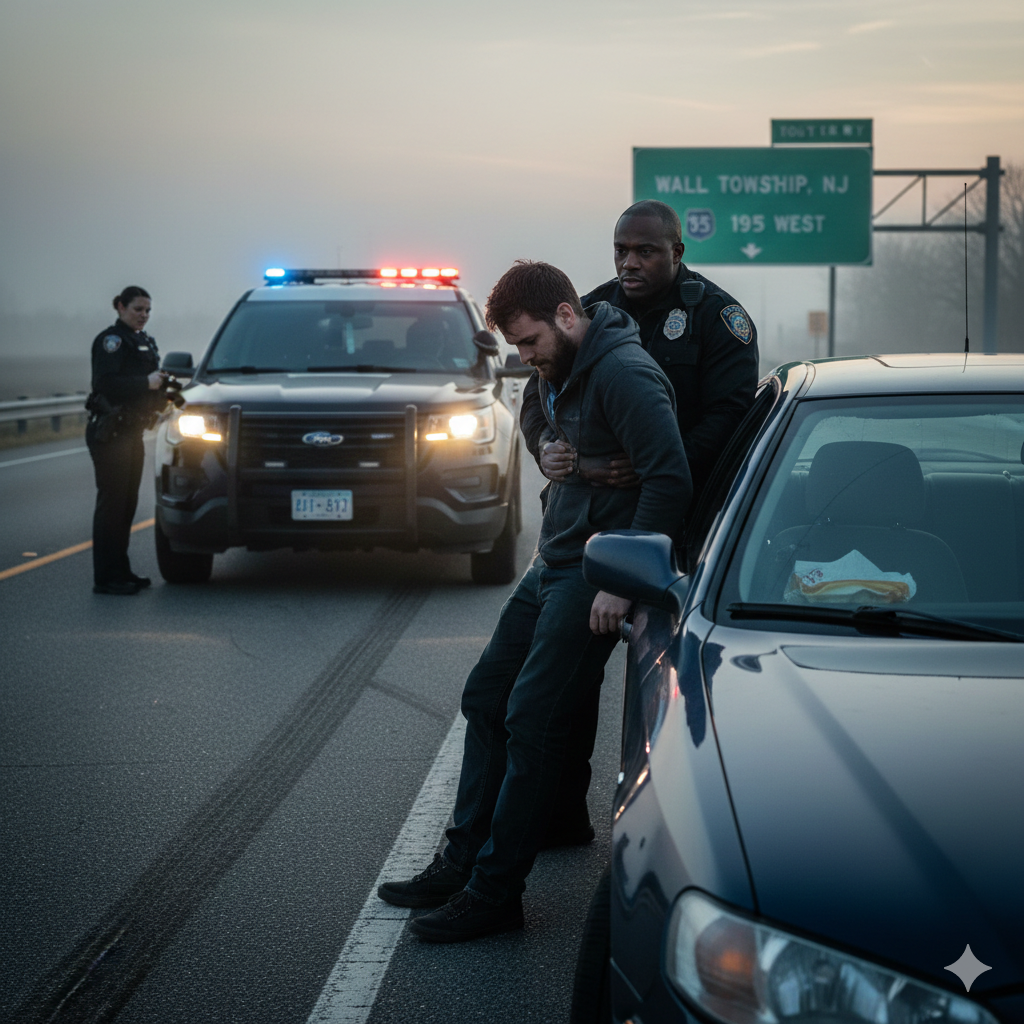
The short answer is sometimes, but plea deals in refusal cases are very different from plea deals in most criminal cases. New Jersey treats breath test refusal as a serious motor vehicle offense, and that limits what prosecutors can offer. Still, with the right defense strategy and an experienced attorney, there may be opportunities to reduce the impact of the charge—or even have it dismissed.
This guide explains how plea deals work in NJ refusal cases, what outcomes are realistic, and why working with a trusted law firm like Reisig Criminal Defense & DWI Law can make a meaningful difference.
Understanding Breath Test Refusal in New Jersey
New Jersey has one of the strictest implied consent laws in the country. By driving on NJ roads, you are considered to have agreed to provide a breath sample if police have probable cause to believe you were driving while intoxicated.
A refusal charge usually means the officer claims you:
- Said “no” to the breath test
- Failed to provide an adequate breath sample
- Delayed or obstructed the test
- Did not clearly agree after warnings were read
Refusal penalties often include:
- Loss of driving privileges
- Fines and court costs
- Mandatory alcohol education programs
- Ignition interlock requirements
Because these penalties are set by statute, plea bargaining is more limited than many people expect.
Are Plea Deals Allowed in NJ Refusal Cases?
Yes—but with important limitations.
Unlike many criminal charges, refusal cases are handled in municipal court and are governed by strict rules. Prosecutors generally cannot simply dismiss or downgrade a refusal charge without a legal reason. This means there is no automatic “deal” just for pleading guilty.
However, plea negotiations may still happen when there are legal or factual weaknesses in the case.
When Plea Deals Are More Likely
Plea deals are more realistic when your attorney can show problems such as:
Lack of Probable Cause
If police did not have a valid reason to stop or arrest you, the refusal charge may not stand.
Improper Implied Consent Warnings
Officers must read the NJ standard statement correctly and completely. Errors, confusion, or rushing through the warnings can open the door to negotiation.
Ambiguous or Conditional Refusal
Statements like “I want a lawyer” or “I’m not sure” are not always clear refusals. These situations may be challenged.
Problems With Evidence
Missing video, inconsistent police reports, or timing issues can weaken the State’s case.
When these issues exist, prosecutors may agree to dismiss the refusal charge or reduce related penalties.
Common Plea Outcomes in Refusal Cases
While every case is different, realistic outcomes may include:
Dismissal of the Refusal Charge
This is possible when legal requirements were not met. A dismissal avoids refusal-specific penalties.
Reduction or Amendment of Charges
In some cases, the refusal may be amended to a lesser offense or resolved alongside a related DWI charge.
Plea to a Related Offense
Sometimes the focus shifts away from refusal if the State’s evidence is weak.
Penalty Mitigation
Even if the charge stands, negotiations may reduce the length of license suspension or limit additional penalties.
It’s important to understand that not every case qualifies for a deal, and promises of “guaranteed results” should be viewed with caution.
What Outcomes Are Not Realistic?
Many people assume they can simply “plead it down” to a small ticket. In New Jersey, that is usually not realistic for refusal cases. Courts take these charges seriously, and judges closely review plea agreements.
This is why strategy matters more than quick decisions.
Why Experience Makes a Difference
Plea negotiations in refusal cases require deep knowledge of NJ DWI law, municipal court procedures, and local prosecutors. This is not an area for general practice attorneys.
Reisig Criminal Defense & DWI Law: Nearly 30 Years of Trusted Defense
For almost three decades, Reisig Criminal Defense & DWI Law has focused on defending DWI and refusal cases throughout New Jersey. The firm is known for:
- Identifying legal flaws that support dismissals
- Challenging improper refusal allegations
- Negotiating realistic, favorable outcomes
- Understanding how local courts handle refusal cases
- Protecting clients’ licenses and long-term records
Their experience allows them to spot opportunities others miss.
Should You Accept a Plea Deal Right Away?
Not necessarily. Accepting a plea without fully reviewing the evidence can lock you into penalties that might have been avoided. A proper defense starts with:
- Reviewing police reports
- Analyzing dashcam and bodycam footage
- Examining how the breath test request was handled
- Evaluating whether refusal was legally valid
Only then can you decide whether a plea offer is fair.
Take Action After a Breath Test Refusal Arrest
If you were charged with breath test refusal in New Jersey, do not assume your outcome is fixed. While plea deals are limited, defenses exist, and realistic options depend on the facts of your case.
Speak With Reisig Criminal Defense & DWI Law
With nearly 30 years of proven success, Reisig Criminal Defense & DWI Law has helped thousands of NJ drivers navigate refusal charges with clarity and confidence.
Plea deal or trial strategy—your future deserves careful planning, not guesswork.
