


If you were arrested for DWI in New Jersey and charged with a breath test refusal, you may be feeling overwhelmed and confused—especially if you suffer from a medical condition like asthma, anxiety, GERD, or another breathing-related issue. Many people in this situation ask the same important question: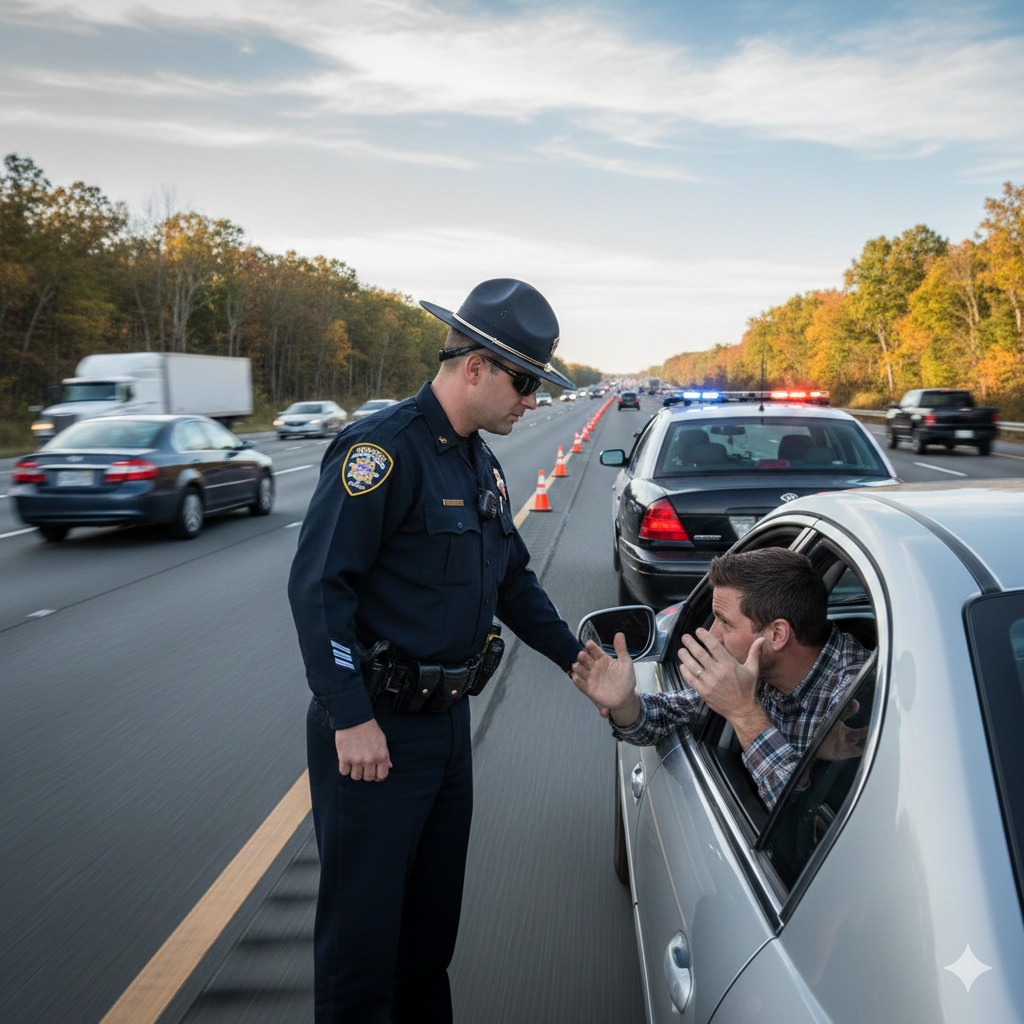
Can a medical condition be used as a defense to a breath test refusal in NJ?
The short answer is: sometimes—but it depends on the facts, the medical proof, and how your defense is presented. Below, we break this down in clear, plain language so you understand your rights, your risks, and your options.
Understanding Breath Test Refusal Charges in New Jersey
In New Jersey, drivers are subject to implied consent laws. That means if a police officer has probable cause to arrest you for DWI, you are legally required to submit to a breath test—usually the Alcotest.
If the officer believes you refused, you can be charged under N.J.S.A. 39:4-50.2, even if you were never convicted of DWI itself. A refusal conviction carries serious penalties, including:
- Mandatory license suspension
- Hefty fines and court costs
- Installation of an ignition interlock device
- Increased insurance premiums
A refusal charge is not a criminal offense, but the consequences can still disrupt your life in major ways.
What Counts as a “Refusal” in NJ?
A refusal isn’t always a clear “no.” In many cases, drivers are charged because they:
- Could not blow hard or long enough
- Stopped blowing too soon
- Gave inconsistent breath samples
- Appeared confused, panicked, or physically unable to comply
This is where medical issues may become highly relevant.
Can Asthma Be a Defense to Breath Test Refusal?
Asthma is one of the most commonly raised medical defenses in breath test refusal cases.
Asthma can limit lung capacity and make it difficult—or even dangerous—for someone to blow forcefully for the length of time required by the Alcotest. Severe asthma attacks may cause wheezing, chest tightness, coughing, or shortness of breath.
However, simply telling the officer “I have asthma” is not enough on its own.
To use asthma as part of a successful defense, an experienced NJ DWI attorney may need to show:
- A documented history of asthma
- Use of inhalers or other medications
- Medical records supporting limited lung function
- That the officer failed to properly assess or accommodate the condition
If the court believes your inability to provide a sample was physical, not willful, the refusal charge may be challenged.
Can Anxiety or Panic Attacks Explain a Refusal?
Anxiety disorders and panic attacks can also play a role in breath test refusal cases.
During a DWI arrest, many people experience extreme stress. For someone with diagnosed anxiety or panic disorder, this stress can trigger:
- Rapid breathing or hyperventilation
- Dizziness or chest pain
- Inability to focus on instructions
- Fear-induced noncompliance
Courts are often skeptical of anxiety claims unless they are backed by evidence. That’s why it’s critical to work with a law firm that knows how to properly present medical defenses.
A strong defense may include:
- Proof of diagnosis
- Prescription records
- Expert testimony if necessary
- Evidence showing confusion rather than intentional refusal
Can GERD or Other Medical Conditions Affect Breath Testing?
GERD (gastroesophageal reflux disease) and similar conditions can also complicate breath testing.
GERD can cause stomach contents or acid vapors to rise into the mouth and airway. This may interfere with the breath test process and make a driver hesitant or physically unable to complete the test as instructed.
Other conditions that may be relevant include:
- COPD or other chronic lung diseases
- Neurological disorders
- Recent surgeries affecting breathing or swallowing
Each case is fact-specific, and the success of the defense often depends on how quickly and thoroughly it is investigated.
Why Medical Defenses Are Often Challenging
New Jersey courts take breath test refusal cases seriously. Judges often expect clear and convincing evidence that the refusal was not intentional.
Medical defenses fail when:
- No documentation is provided
- The condition is exaggerated or inconsistent
- The driver previously completed breath tests without issue
- The defense is raised too late
This is why early legal representation is critical.
Why Reisig Criminal Defense & DWI Law Makes the Difference
Successfully defending a breath test refusal—especially one involving medical issues—requires deep knowledge of NJ DWI law, Alcotest procedures, and local court practices.
For nearly 30 years, Reisig Criminal Defense & DWI Law has been one of the most trusted and successful DWI defense firms in New Jersey. The firm has built its reputation on:
- Decades of focused DWI defense experience
- Familiarity with prosecutors and judges throughout NJ
- Proven strategies for challenging refusal charges
- Detailed case preparation and medical analysis
Reisig Criminal Defense & DWI Law understands how to evaluate whether a medical condition can be used effectively—and just as importantly, when it cannot. That honesty helps clients make informed decisions from day one.
What You Should Do If You Were Charged With Refusal
If you believe a medical issue played a role in your breath test refusal:
- Do not assume the court will understand your condition automatically
- Gather medical records immediately
- Avoid discussing your case without legal counsel
- Speak with a NJ DWI attorney who handles refusal cases regularly
The earlier an attorney gets involved, the more options you may have.
Final Thoughts
Medical issues like asthma, anxiety, or GERD can be relevant in a New Jersey breath test refusal case—but they are not automatic defenses. These cases are complex, technical, and highly dependent on proper legal presentation.
If you are facing a refusal charge, working with an experienced firm like Reisig Criminal Defense & DWI Law can give you the best chance to protect your license, your record, and your future.
A single mistake should not define what happens next. The right defense can make all the difference.
